
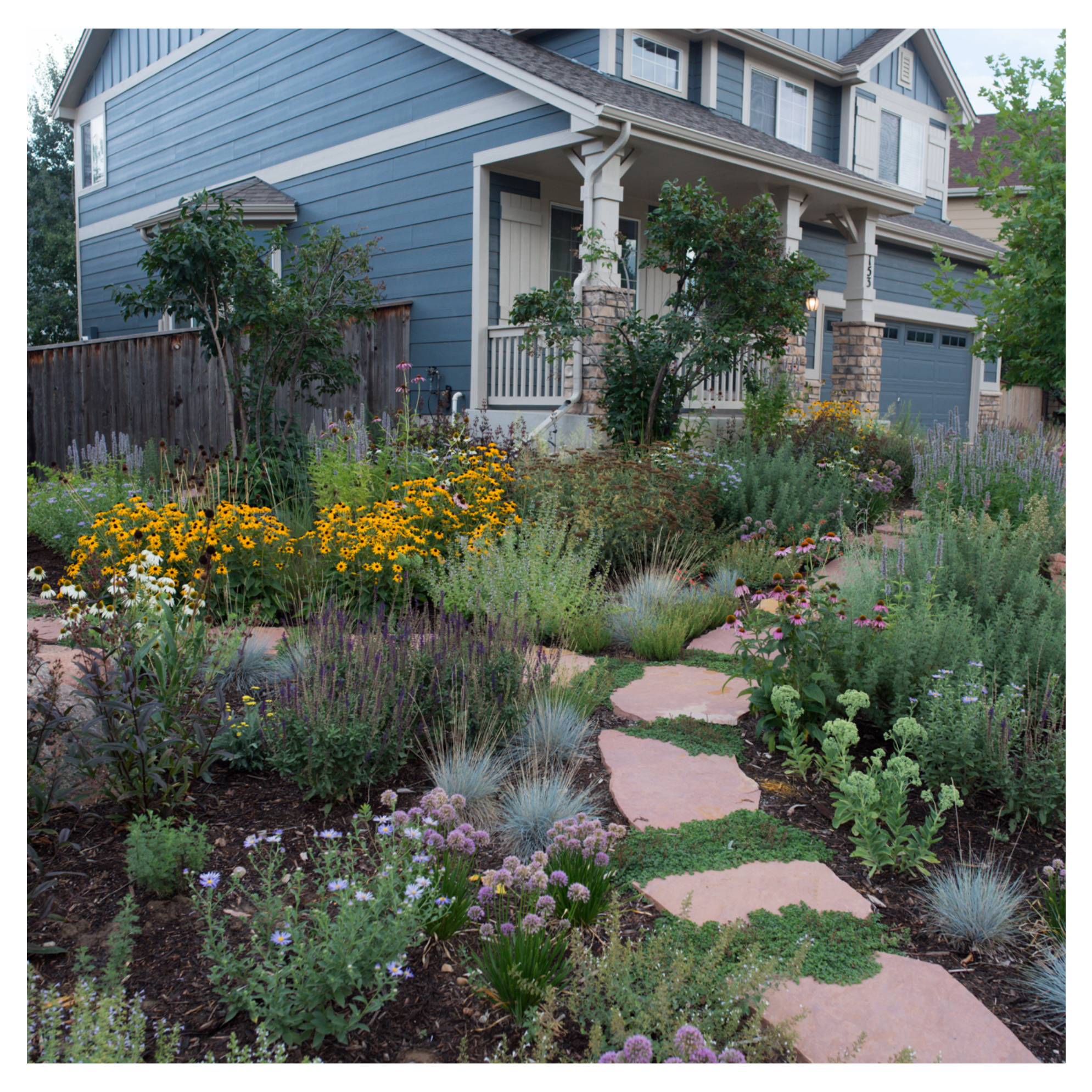
Spring has always been a season of renewal, but spring of 2026 is shaping up to be especially meaningful in how homeowners approach their outdoor spaces. Across Boulder and North Denver, landscapes are being designed with greater intention—balancing beauty, ecology, and long-term function. Spring landscaping is no longer just about fresh blooms and clean edges. It’s about creating resilient gardens that evolve gracefully throughout the year while responding thoughtfully to Colorado’s climate.
At Tree of Life Landscapes, we see seasonal landscaping as an opportunity to reset the garden, refine its structure, and prepare it for years of growth ahead. The ideas shaping spring landscaping in 2026 reflect a deeper appreciation for native plants, water-conscious design, and outdoor spaces that truly support daily life.
Designing Spring Landscapes That Start Strong
Successful spring landscaping begins long before the first flowers appear. The foundation of a beautiful garden is established through careful planning, soil preparation, and thoughtful layout. In 2026, more homeowners are recognizing that spring is the ideal time to invest in the underlying structure of their landscape.
This includes rethinking circulation paths, refining garden rooms, and adjusting grading to improve drainage after winter snowmelt. Seasonal landscaping that focuses on these fundamentals allows plants to establish more successfully and reduces long-term maintenance challenges.
By starting with structure rather than surface-level changes, spring landscaping becomes a strategic reset rather than a short-lived refresh.
Native and Well-Adapted Plants Take Center Stage
One of the most influential spring landscaping trends for 2026 is the continued shift toward native and well-adapted plant communities. In Boulder and North Denver, these plants offer unmatched resilience to temperature extremes, variable moisture, and local soil conditions.
Seasonal landscaping that emphasizes native species creates gardens that wake up naturally in spring, often earlier and more reliably than ornamental alternatives. Early-blooming natives provide critical resources for pollinators while adding subtle color and texture to the landscape.
Rather than relying on high-maintenance annuals, spring landscaping is increasingly focused on layered plantings that deliver seasonal interest without excessive inputs. This approach aligns beauty with sustainability and supports healthier ecosystems.
Layered Planting for Visual Depth
Spring of 2026 is moving away from flat, single-layer planting designs. Instead, spring landscaping is embracing depth through carefully layered plant communities. Groundcovers, perennials, shrubs, and trees are composed to create visual rhythm and year-round structure.
Seasonal landscaping that uses layered planting allows spring growth to feel intentional rather than chaotic. Early-season foliage emerges within a framework that already feels complete, reducing the sense of emptiness that often follows winter.
This approach also improves soil health and moisture retention while suppressing weeds, making spring landscaping both beautiful and practical.
Thoughtful Lawn Reduction and Alternatives
Traditional lawns are continuing to shrink in favor of more purposeful ground planes. In spring landscaping for 2026, lawn areas are being reserved for active use rather than used as default filler.
Seasonal landscaping now incorporates meadow-inspired plantings, low-water turf alternatives, and mixed groundcovers that offer texture and movement. These solutions reduce irrigation demands while adding ecological value and visual interest.
In Boulder and North Denver, lawn reduction also supports better water management during spring runoff and summer heat. Spring landscaping that reimagines turf areas creates landscapes that are both resilient and expressive.
Outdoor Spaces Designed for Daily Life
Spring landscaping in 2026 places a strong emphasis on how outdoor spaces are actually used. Gardens are no longer designed solely for viewing but for living. Patios, paths, and gathering spaces are carefully integrated into planting designs to support daily routines.
Seasonal landscaping now considers how spring sunlight, wind patterns, and emerging foliage affect comfort and usability. Seating areas are positioned to capture warmth while remaining protected from late-season winds. Pathways are aligned to guide movement naturally through the garden as it comes back to life.
This human-centered approach ensures that spring landscaping enhances not just the appearance of a property, but the experience of being outdoors.
Water-Wise Strategies Integrated from the Start
Water conservation continues to shape seasonal landscaping decisions in 2026. Spring landscaping is increasingly designed with efficient irrigation strategies and water-wise grading solutions built in from the beginning.
Drip irrigation, soil amendments, and strategic plant grouping allow gardens to establish successfully during spring while reducing long-term water use. Seasonal landscaping that accounts for water early in the design process performs better throughout the year and adapts more easily to changing conditions.
In Colorado’s climate, thoughtful water management is not a trend but a necessity, and spring is the ideal time to implement these systems.
Embracing Subtle Spring Color
Rather than relying on bold, high-impact color schemes, spring landscaping in 2026 favors more restrained palettes that evolve gently through the season. Soft greens, silvery foliage, and nuanced bloom colors create a calming visual experience.
Seasonal landscaping that embraces subtlety allows spring flowers to feel special without overwhelming the garden. Color becomes something that unfolds over time rather than appearing all at once.
This approach also supports long-term harmony, ensuring spring plantings transition smoothly into summer and fall without abrupt visual shifts.
Hardscape Refinement as Part of Spring Landscaping
Spring is also a key moment to refine the hardscape elements of a landscape. In 2026, spring landscaping often includes adjusting stonework, refreshing gravel paths, or integrating new garden features that support plant growth.
Seasonal landscaping that addresses hardscape early helps define space before plants fully leaf out. This clarity allows the garden to feel intentional even during early spring, when growth is just beginning.
Well-designed hardscape elements anchor the landscape visually and provide contrast to emerging plant forms.
Preparing the Garden for Long-Term Growth
Perhaps the most important idea shaping spring landscaping in 2026 is a long-term mindset. Seasonal landscaping is no longer treated as a once-a-year event but as part of an ongoing relationship with the land.
Spring is the moment to assess how the garden performed the previous year, refine what worked, and thoughtfully adjust what didn’t. Pruning, soil care, and selective plant replacement are approached with restraint rather than urgency.
By viewing spring landscaping as preparation rather than perfection, homeowners create gardens that mature gracefully and require less intervention over time.
A Thoughtful Start to the Growing Season
Spring of 2026 invites a more considered approach to landscape design—one rooted in observation, ecology, and craftsmanship. At Tree of Life Landscapes, spring landscaping is about setting the tone for the entire year, ensuring that beauty, function, and sustainability are woven together from the very beginning.
Through intentional seasonal landscaping, gardens in Boulder and North Denver can emerge from winter with clarity and purpose, ready to grow into spaces that support both daily life and the natural world.